

Padrino vs. Grok
You don't need a smarter bot. You need a team that finishes the work.
Grok Bot already runs a team of agents in a shared chat. Padrino runs a team of AI employees inside a real business system, they work your projects, follow up without being asked, and run on whichever model is cheapest and best for the job. The systems they need, CRM, accounting, scheduling, are already built in.
Any model. Whichever one is cheapest and best for the job.
A 1:1 agent ties you to one company's model, one pricing curve, and one roadmap. If that model gets more expensive or falls behind, you're stuck. Padrino's employees run on Claude, OpenAI, or free/open models, chosen per task, not per vendor contract. When a cheaper model is good enough for the work, that's what runs. You're not betting your AI costs on one provider's next price change.
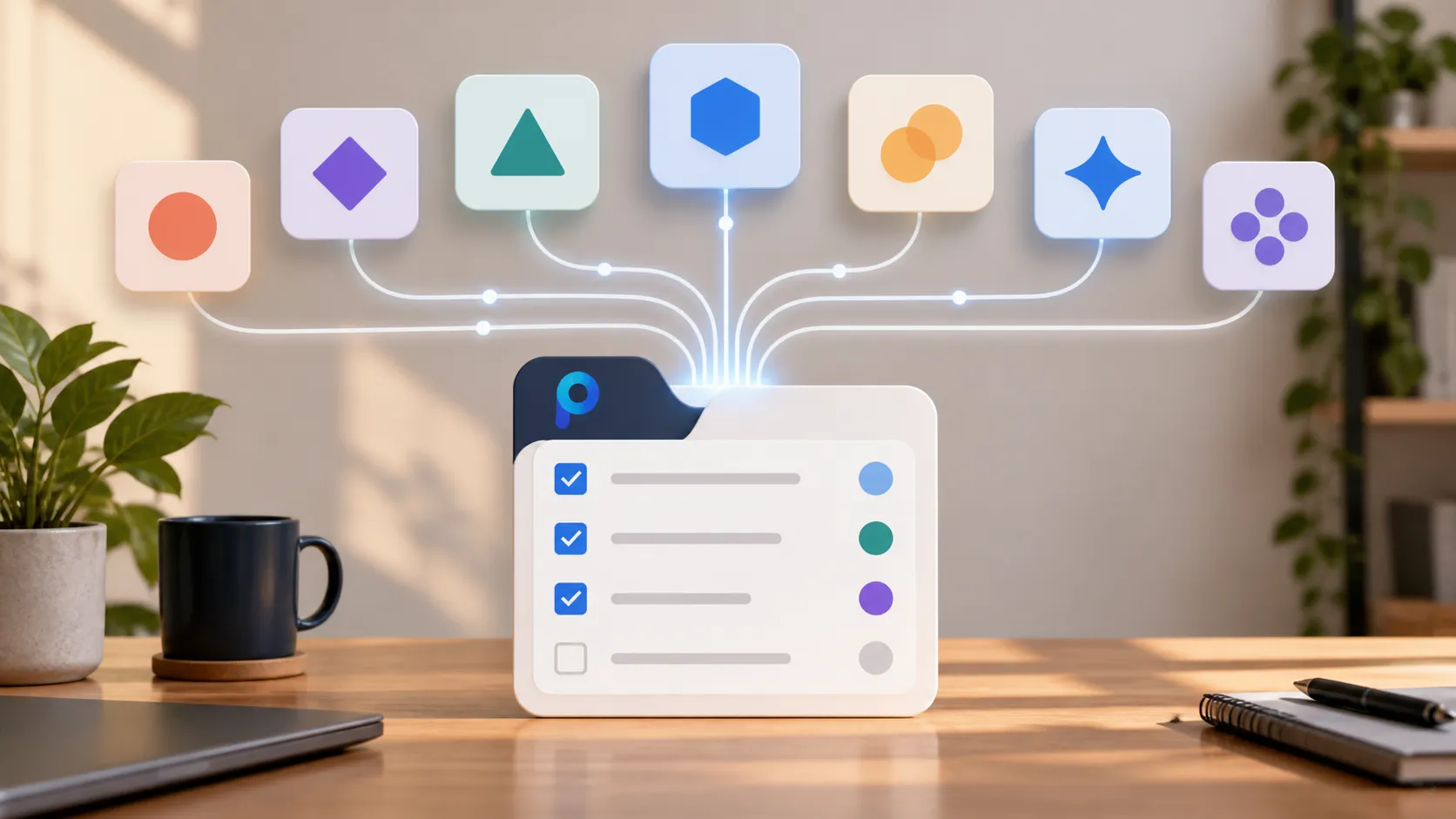
Grok's team lives in a chat. Padrino's team lives in your business.
Grok Bot can already run a small group of agents that message each other and hand off ownership of a task, that part isn't unique anymore. What's different is where the team operates. Grok's agents work inside a chat session you started and manage. Padrino's employees work inside your actual business: tickets, projects, invoices, deals, each with a defined role (a general manager, specialists for engineering, marketing, accounting, QA, and more) and rules for how work moves between them. You're not managing a conversation. You're running a company, with employees who happen to be AI.
It doesn't wait for you to ask again.
A chat bot answers when you prompt it and forgets when you close the tab. Padrino's employees carry tickets forward: they follow up on stale work, chase down the thing that's been sitting for three days, and flag what's stuck instead of quietly dropping it. You get a team that's accountable for outcomes, not a tool that's only as persistent as your next message.

Urgent work gets the AI first, even under limits.
Every business has a ceiling on AI usage, whether it's cost or a provider's rate limit. Padrino lets you set what gets priority when that ceiling gets close, so the customer escalation or the deadline-driven ticket gets AI capacity before a background nice-to-have does. A single bot has no concept of triage. Padrino's workforce does.
See what every agent did, not just what it told you.
A chat history shows you a conversation. Padrino gives you server-level visibility into every agent's activity across the business: what ticket it touched, what it changed, when, and why. Independent reviews already describe Grok Bot as a self-serve teammate, not a governed enterprise deployment. Server-level visibility is what turns a team of agents into something you can actually govern.

The systems are built in. Not connected to.
Grok Bot already ships its own connectors and native MCP support, it can reach into the apps you already run. Padrino takes the opposite approach: the systems themselves, CRM, projects, accounting, scheduling, documents, team chat, are part of the product. Padrino's employees aren't integrating with a separate tool through an API; they're working inside the same system of record your business runs on. Less to configure, nothing that breaks when a connector's API changes, and one place where the work and the data both live.
Already using Grok? It can work inside Padrino too.
This isn't a pitch to rip out what you're using. If Grok is already part of how your team works, it can plug into Padrino the same way any other tool can, called on by a Padrino employee when it's the right tool for that step, or used directly by your team alongside the workforce. Padrino is the operating system underneath; what runs inside it, including Grok, is your call.
Common Questions
Padrino and Grok, answered
Is Padrino a competitor to Grok?
Not directly. Grok Bot is a multi-agent chat product, a team of AI agents you assemble and manage yourself inside a conversation. Padrino is a business operating system with a team of AI employees built into the systems your business already runs on: CRM, projects, accounting, scheduling. One is a tool you configure; the other is the system your business runs inside.
Doesn't Grok Bot already work as a team of agents?
Yes, Grok Bot can run multiple agents together in a shared chat. The difference is where that team lives. Grok's agents operate inside a chat session you start and manage. Padrino's employees operate inside your actual business systems, with defined roles and a visible, server-level record of every action they take. It's not a bigger chat. It's a company.
Can I use Grok with Padrino?
Yes. Padrino doesn't require any one model or vendor. Grok, like other models and tools, can be used by or alongside Padrino's AI employees where it fits.
Does Padrino lock me into one AI provider?
No. Padrino's employees run on Claude, OpenAI, or free/open models, chosen per task. You're not committed to one company's pricing or availability.
What happens if I hit my AI usage limit?
You set priorities ahead of time. Padrino keeps AI capacity flowing to the work you've marked urgent first, instead of processing everything first-come-first-served.
Can I see what Padrino's AI agents are actually doing?
Yes. Every agent's activity is visible at the server level: what it touched, when, and what changed. It's not a chat transcript you have to interpret; it's a record you can check.
Hire a team, not a chat window.
Start with one AI employee, free, and see the difference between a bot that answers and a team that finishes the work.
Local to Las Vegas · (725) 333-4656